
Listen to this post
Key Takeaways
- Goldwasser leveraged her marketing and consulting experience to build More Than Matcha.
- After steady growth, she quit corporate to focus on the business full-time in March of this year.
- Now, More Than Matcha is on track to see between $400,000 and $500,000 in revenue in 2026.
This Side Hustle Spotlight Q&A features Rosie Goldwasser, 28, of Santa Monica, California. Goldwasser was working full-time as a customer experience strategist at PwC (PricewaterhouseCoopers) when she started her side hustle: More Than Matcha, a premium matcha and lifestyle brand.

The business hit $125,000 in revenue without spending a single dollar on advertising in its first year and doubled revenue in its second. Goldwasser left her corporate role in March 2026 to focus on More Than Match full-time. The brand is on track for between $400,000 and $500,000 in revenue this year. Responses have been edited for length and clarity.
Starting a side hustle: More Than Matcha
When did you start your side hustle, and where did you find the inspiration for it?
I started building More Than Matcha in 2023 and officially launched in March 2024. The idea actually came from a personal frustration. For years, I was either too tired to function or too wired, jittery and anxious from coffee to sleep. There was no in-between until I discovered matcha. It was love at first sip. It gave me a calm, focused energy that actually lasted.
But finding high-quality matcha was challenging. Cafés charged $10 for drinks that consistently left me disappointed. At-home options lacked quality, consistency and a brand I could genuinely connect with.
Having spent four years in marketing and six years in customer experience consulting, I’ve always been fascinated by what makes consumers fall in love with brands and how to create experiences that exceed their expectations. As a daily matcha consumer myself, I saw a gap I couldn’t ignore.
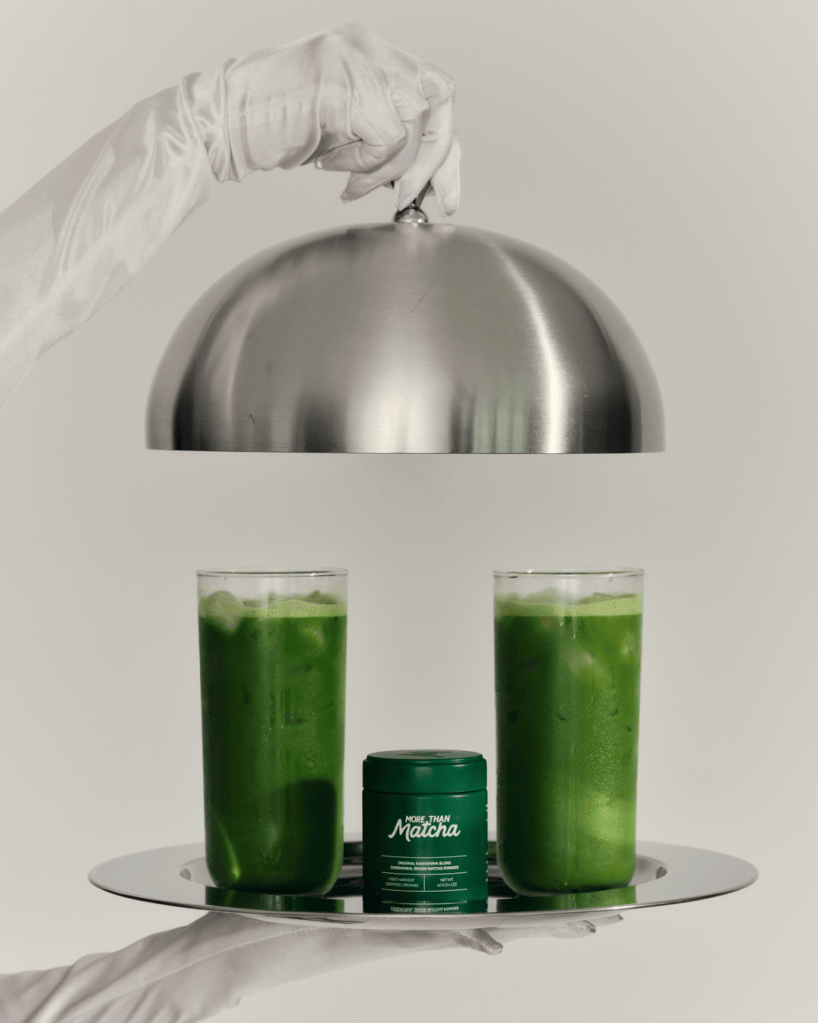
Finding the perfect matcha powder for the market
What were some of the first steps you took to get your side hustle off the ground? How much money did it take to launch?
I was never going to launch a matcha brand unless I found a matcha powder so good that I felt I’d be doing the world a disservice by not bringing it to market.
So I spent months researching, sourcing, sampling and learning everything I could about what makes exceptional matcha, from growing regions and cultivars to harvesting methods and sustainable farming practices. I finally discovered the four-cultivar blend we use. To this day, it’s the best matcha I’ve ever tasted. I’ve since had the opportunity to visit our supplier in Japan, meet some of the farmers behind our matcha and see firsthand the care that goes into producing it.
After finding the right product, I invested $25,000 of my own savings into building the matcha brand, without any outside funding. Over the next several months, I brought every detail to life: branding, packaging, website development, product photography — and all the little things that go into creating a brand from scratch.
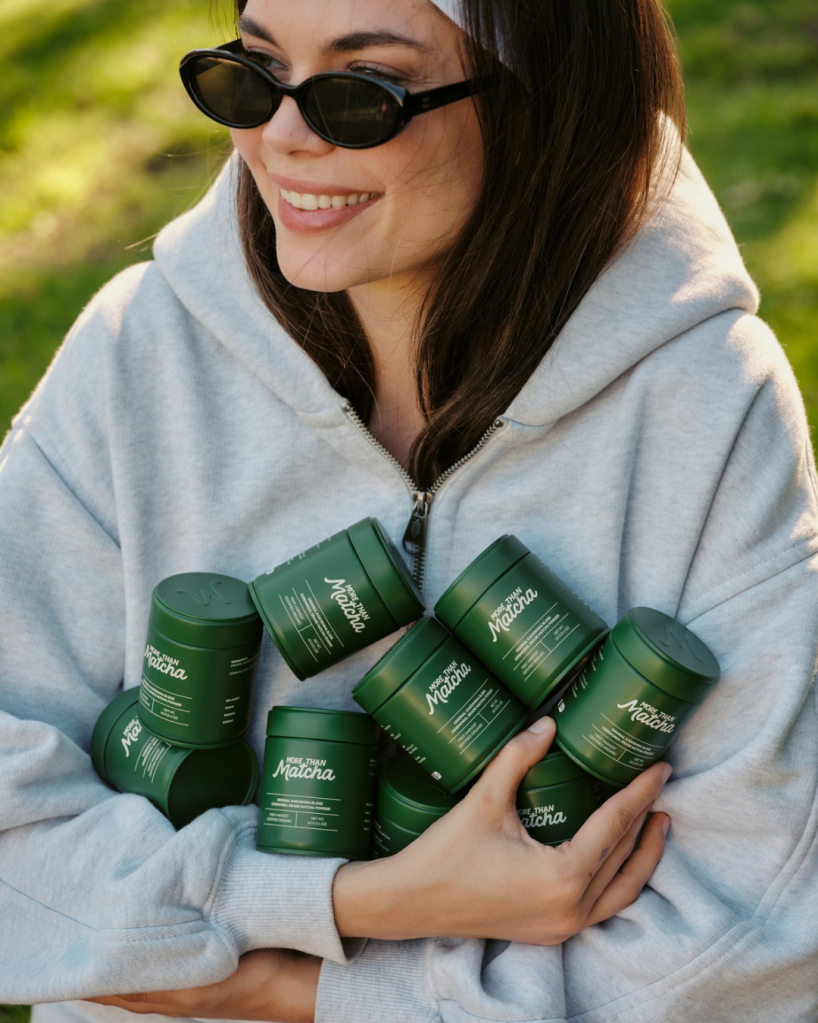
Outsourcing fulfillment was a turning point
Are there any free or paid resources that have been especially helpful for you in starting and running this business?
For the first year of More Than Matcha, I packed and shipped every single order myself, spending nights and weekends fulfilling orders. I’d recruit friends and family to help pack during busy periods, turning my 700 square-foot apartment into a makeshift fulfillment center.
At first, doing everything myself felt like the smartest way to save money. But eventually, I realized I was spending so much time keeping the business running that I had almost no time left to actually grow it.
Making the decision to outsource fulfillment was a turning point. Yes, it was an added expense, but it gave me back something far more valuable: my time. Suddenly, I could focus on product development, marketing, partnerships and all the things that would actually move the business forward.

Focus on the hero product before a line’s expansion
If you could go back in your business journey and change one process or approach, what would it be, and how do you wish you’d done it differently?
I would have been much more disciplined about focusing on our hero product before expanding into other categories. When we first launched More Than Matcha, we introduced our matcha powder alongside four different hats. I loved the idea of building a lifestyle brand and imagined people wearing our merchandise everywhere.
But the problem was that nobody knew who we were yet. We spent so much time and money sampling, designing and producing merchandise before we had built a community of people who actually wanted to represent our brand.
If I could do it again, I would put that money and energy into making our core product even more successful, building customer loyalty and understanding what our audience wanted next.
The CPG space comes with constant decisions
When it comes to this specific business, what is something you’ve found particularly challenging and/or surprising that people who get into this type of work should be prepared for, but likely aren’t?
Especially in the CPG space, you’re constantly making decisions that could change the trajectory of your business. From the products you develop and the manufacturers you trust, to your branding, pricing, hiring, retail partners and which sales channels to pursue. And when you’re a bootstrapped, solo founder, there’s no team of executives to turn to for the final call.
I’ve learned to start the decision-making process long before I actually need to make the decision. I’ll start interviewing candidates months before I’m ready to hire and begin conversations with manufacturers long before I need to make the switch. I’ll ask other founders about challenges they’ve faced before I’ve even encountered those challenges myself.
In a business where one decision can impact your product, customers and cash flow for months to come, that preparation can make all the difference.
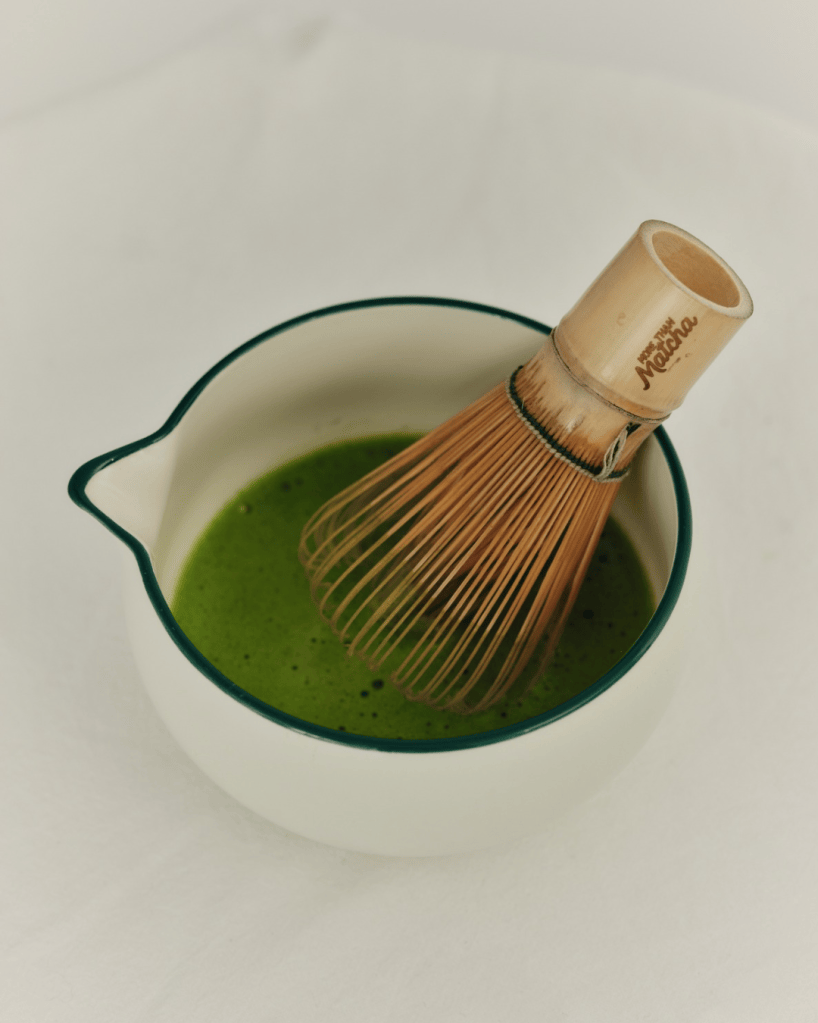
Transparency wins customer trust during a crisis
Can you recall a specific instance when something went very wrong — how did you fix it?
Just a few weeks ago, we were gearing up to launch our new matcha travel collection. After months of development, I had approved the final sample of our single-serve matcha sticks and moved forward with producing 25,000 units.
But the manufacturer kept delaying production. It wasn’t until the night before launch that the first four boxes finally arrived. I had a gut feeling something was wrong, so I drove to our fulfillment center to inspect them myself. Unfortunately, I was right.
The product was nothing like what I had approved. Matcha powder was leaking out of both ends of the sticks, covering the other products in the boxes. They were completely unsellable.
We had spent weeks teasing the collection, built an entire marketing campaign, redesigned our website and generated so much excitement. And just like that, on launch day, I had to cancel everything.
Rather than trying to hide what happened, I picked up my phone, filmed a video in one take and told our community exactly what went wrong. The response was beyond anything I could have imagined. Instead of being disappointed, our customers rallied around us. The comments and DMs poured in, thanking me for being transparent and refusing to compromise on quality.
We’re now working with a new manufacturer to bring these sticks to market the right way, and somehow our community is even more excited for their eventual launch.
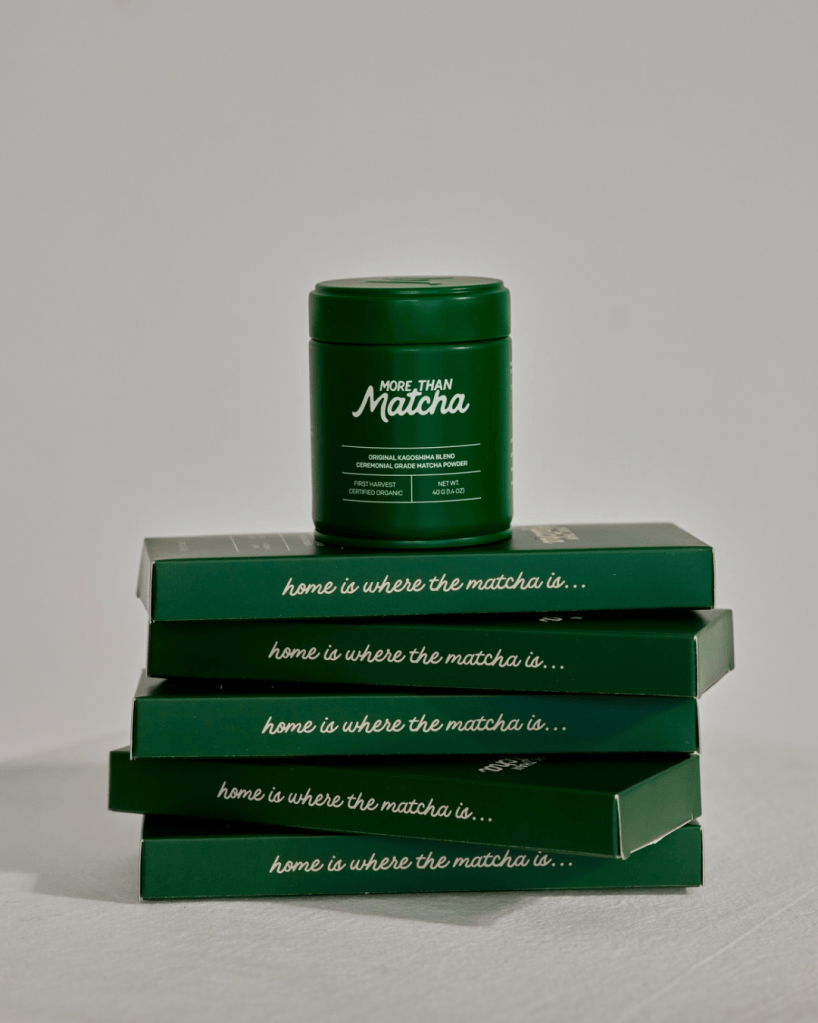
Making $125k in year one, on track for $400k to $500k
How long did it take you to see consistent monthly revenue? How much did the side hustle earn?
It took about four months to start seeing consistent monthly revenue. In our first year, we generated $125,000 in revenue without spending a single dollar on advertising. In our second year, we more than doubled that revenue, continuing to grow organically and reinvest what we earned back into the business.
What does growth and revenue look like now?
2026 has been a major reinvestment year for More Than Matcha. Rather than focusing solely on short-term revenue growth, we made the intentional decision to invest in the long-term future of the brand.
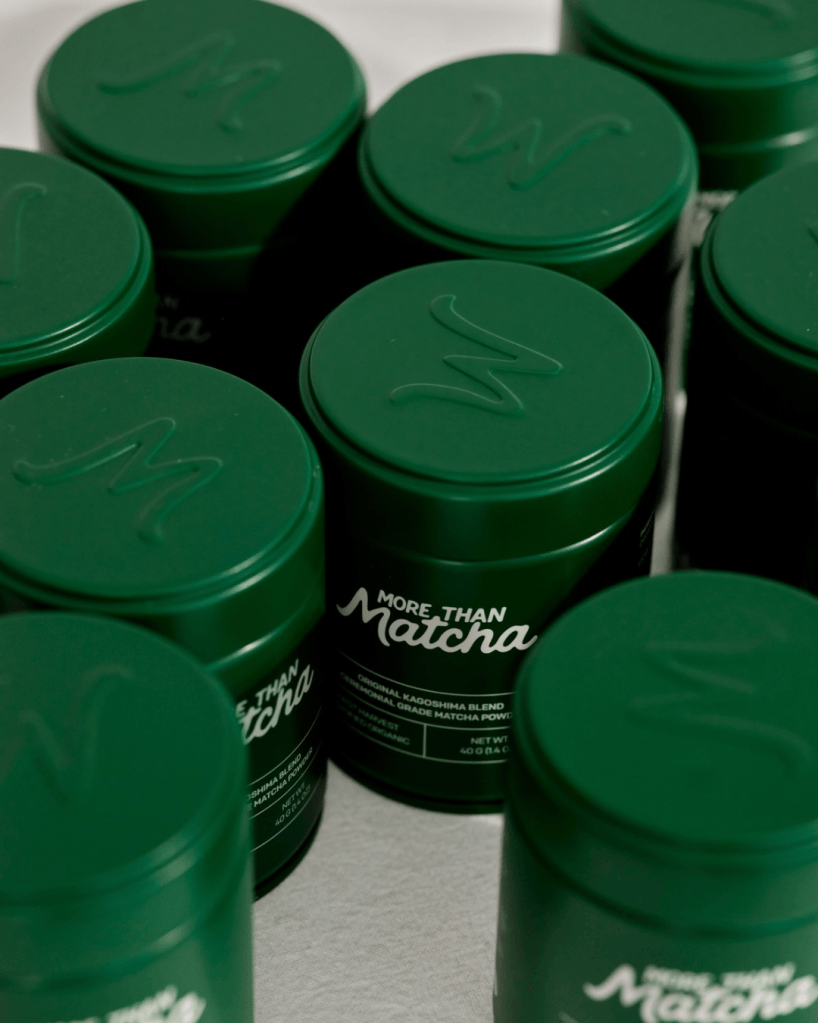
We completely rebranded, upgraded everything from our packaging to our website and spent much of the year developing our new matcha travel collection, our biggest product launch yet, now scheduled for early 2027.
Even with so much of our time and resources focused on building for the future, we’re still on track to generate between $400,000 and $500,000 in revenue this year, all while remaining completely bootstrapped.
Let real customers determine where you go next
What is your best piece of specific, actionable business advice?
Done is better than perfect. When I first started More Than Matcha, I didn’t have a three-year, five-year or 10-year business plan. My goal was simply to get my idea out into the world to see if others believed in it too.
Looking back, I actually think that was one of the best things I could have done. Had I tried to map out everything I wanted this business to become before I even launched, I might have gotten so overwhelmed that I never would have started in the first place. Instead, I focused on getting a product I was proud of into customers’ hands, letting them validate the idea, and learning, iterating and adjusting along the way. About a year into the business, after seeing how customers responded and what opportunities were opening up, my long-term vision became so much clearer.
So figure out the smallest version of your idea that you’re genuinely proud to put into the world and launch it. Don’t wait until you have the perfect website, the perfect packaging or a five-year roadmap. Let real customers help you figure out what comes next.
Key Takeaways
- Goldwasser leveraged her marketing and consulting experience to build More Than Matcha.
- After steady growth, she quit corporate to focus on the business full-time in March of this year.
- Now, More Than Matcha is on track to see between $400,000 and $500,000 in revenue in 2026.
This Side Hustle Spotlight Q&A features Rosie Goldwasser, 28, of Santa Monica, California. Goldwasser was working full-time as a customer experience strategist at PwC (PricewaterhouseCoopers) when she started her side hustle: More Than Matcha, a premium matcha and lifestyle brand.
The business hit $125,000 in revenue without spending a single dollar on advertising in its first year and doubled revenue in its second. Goldwasser left her corporate role in March 2026 to focus on More Than Match full-time. The brand is on track for between $400,000 and $500,000 in revenue this year. Responses have been edited for length and clarity.
Starting a side hustle: More Than Matcha
When did you start your side hustle, and where did you find the inspiration for it?
I started building More Than Matcha in 2023 and officially launched in March 2024. The idea actually came from a personal frustration. For years, I was either too tired to function or too wired, jittery and anxious from coffee to sleep. There was no in-between until I discovered matcha. It was love at first sip. It gave me a calm, focused energy that actually lasted.
Comments are Closed