
Listen to this post
Key Takeaways
- Mahurin launched coconut-sap soy sauce alternative Lohso as a side hustle earlier this year.
- Lohso brought in revenue in week one and sold out of its initial inventory in 60 days.
- Mahurin quit her full-time job to focus on Lohso, which is stocked in over 50 retailers nationwide.
This Side Hustle Spotlight Q&A features Lauren Mahurin, a 32-year-old entrepreneur living in New York City. Mahurin is the founder of Lohso, an organic coconut-sap soy sauce alternative with 53% less sodium. Mahurin started Lohso as a side hustle in February 2026 while working full-time leading marketing and affiliate strategy at Publicis Media for some of the biggest names in retail, including Verizon, Disney and Macy’s.
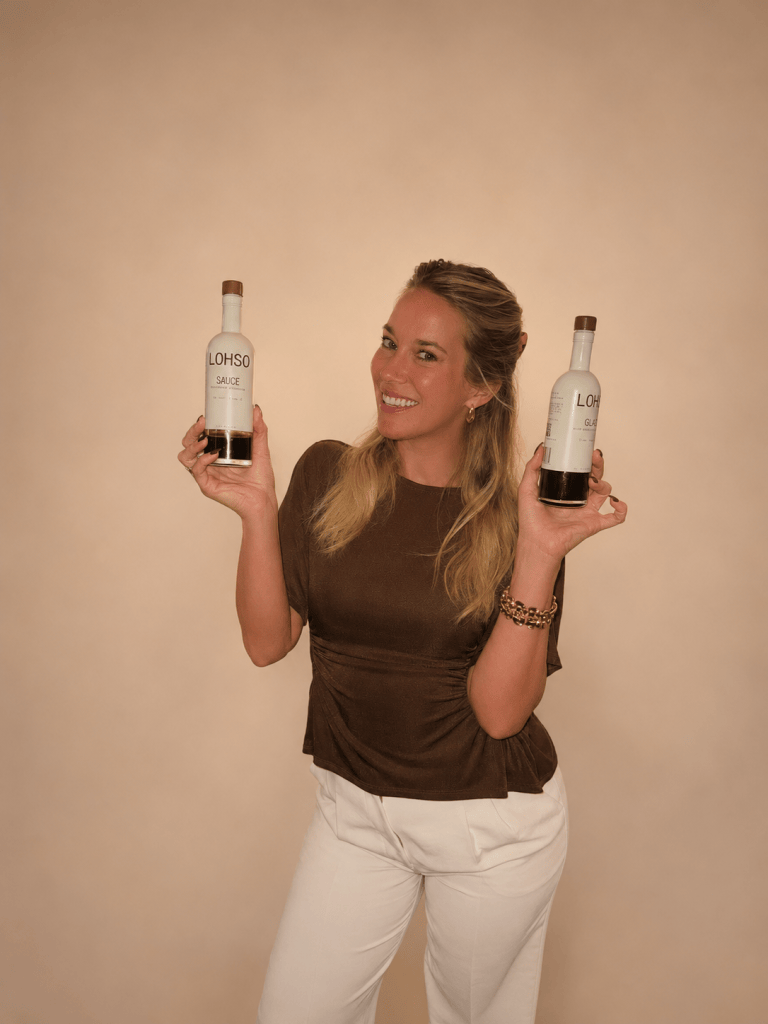
Six months after launching the business, she turned down a promotion and quit her corporate role to go all-in. Lohso sold out of its initial inventory in 60 days, currently sees about $15,000 in revenue a month and is available in more than 50 retailers nationwide. Responses have been edited for length and clarity.
Validating customer demand for Lohso
How did you validate that people would actually pay for your product before investing serious money?
Years before I launched the side hustle, I lost 100 pounds and became much more intentional about what I was eating. I loved food and cooking and had absolutely no interest in eating bland chicken and steamed vegetables for the rest of my life.
I started noticing how certain ingredients made me feel, especially sodium. When I looked for “better for you” options, the products either didn’t deliver on taste, or they looked and felt like something you’d find in the back corner of a health food store. I didn’t want choosing better ingredients to involve a compromise.
But I didn’t want to build something just because I thought it was a good idea. I surveyed our target demographic to understand what they were buying, what they loved, what frustrated them and what they wished existed. We also conducted blind taste tests against traditional soy sauces and other coconut aminos brands to make sure we could compete on the one thing that ultimately matters: taste.
Claude as a first employee, no salary or benefits required
Which two or three essential tools, apps or pieces of gear did you buy in your first week that actually made a difference?
I joke that Claude was my first employee. Except it didn’t need a salary, benefits or time off.
As a bootstrapped founder working a full-time corporate job, I couldn’t afford to hire an entire team. Claude became my unofficial COO, helping me build systems, analyze operational information and streamline a lot of the behind-the-scenes work that comes with running a physical product business. Of course, I still had to make the decisions and oversee the execution, but it made operating as a team of one much more manageable.
Shopify was another nonnegotiable. I wanted to own our relationship with customers from day one rather than rely entirely on retailers to sell the product. And Canva allowed me to create marketing materials and test ideas without hiring a designer every time I needed something.
The first three steps in the first 30 days
What were the exact first three steps you took in your first 30 days?
It took about a year to go from an idea in my head to a physical product ready to sell. Which, by the way, is a humbling experience when you have absolutely no background in food manufacturing.
There are a million moving pieces when launching a CPG brand, but three things made the biggest difference for me:
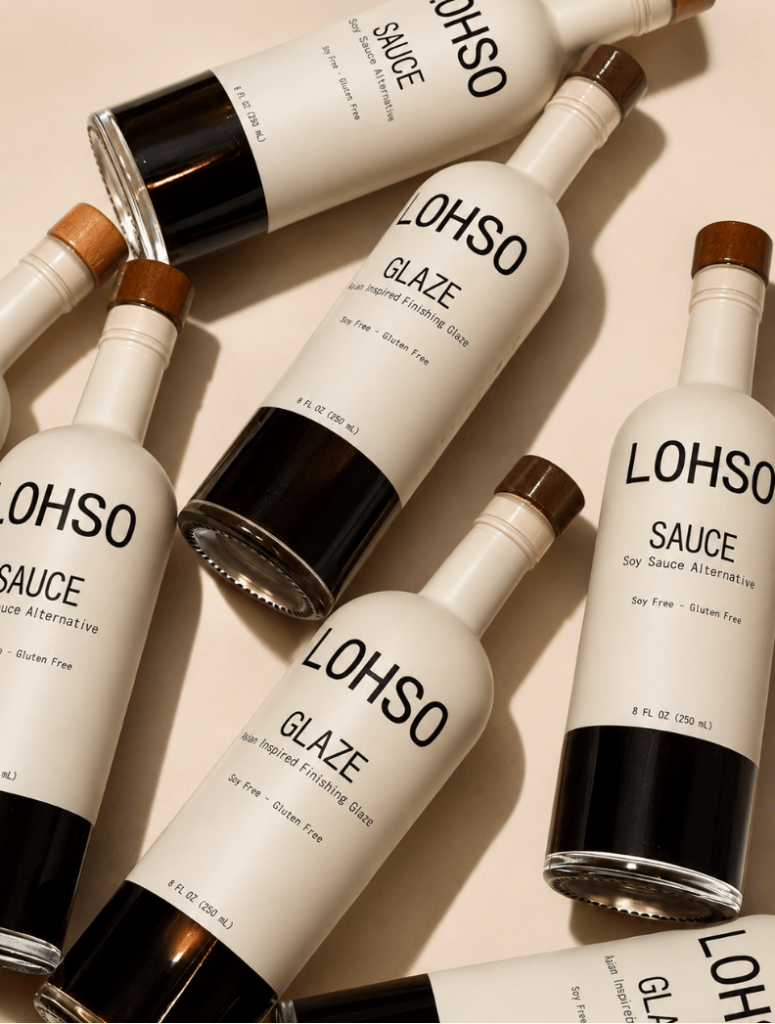
1. Build a brand people actually want to be associated with. I knew I didn’t want Lohso to look like another health food product. I wanted someone to see it on their friend’s kitchen counter and ask, “Wait, what is that?” The branding had to be as compelling as the product itself.
2. Bring people along for the ride. Long before we launched, I started creating founder-led content documenting the process. The wins, the mistakes, the packaging decisions, the headaches of managing an international supply chain. People weren’t just following a sauce brand; they were following the story of someone trying to build something from scratch. By the time we launched, there was already an audience invested in seeing us succeed.
3. Get the product into people’s hands. I started gifting Lohso to industry vets and creators whose opinions I genuinely trusted. No contracts, no expectations, just a product I believed in. Nearly all of them ended up posting organically, and some are still talking about Lohso eight months later. That kind of genuine enthusiasm is something you can’t manufacture with an influencer budget.
Investing $80k and building in public
How much money did you spend upfront, and what specific tools, platforms or free resources did you use to get your first paying customer?
I invested approximately $80,000 of my own money into bringing Lohso to market, primarily across product development, packaging, manufacturing and marketing.
Our very first paying customer came through the email newsletter announcing our launch. And that first week? Sales were beyond my wildest expectations.
We had retailers interested before we even launched, largely because I’d been building in public. That’s what’s so exciting about starting a business today. You can build an audience, create demand and get in front of buyers before you even have a finished product. By launch day, people already felt like they were part of the journey.
Nowadays, which specific tools or platforms help you bring in customers, and what is one feature inside those tools that saves you the most time?
Shopify and Meta have become two of our most important growth tools.
We launched paid advertising on Meta in July 2026, and since making that investment, we’ve doubled our sales. It’s allowed us to grow beyond our initial organic audience and introduce Lohso to people who otherwise might never have discovered us.
But what I love most is the customer data we get through Meta and Shopify. Understanding who’s buying Lohso, what’s motivating her first purchase and what brings her back for a second or third order. Being able to see that behavior in Shopify’s customer reports saves me from having to piece everything together manually, and it helps us make smarter decisions about where to invest.
That information shapes everything from our advertising creative to the products we’re considering launching next.
Revenue in week one, bringing in $15k a month
How many months did it take to reach consistent monthly revenue? What is your current monthly revenue and profit margin?
We generated revenue in our very first week and sold through our initial inventory within the first 60 days. We began investing in Meta advertising in July, and since then, we’ve seen consistent month-over-month sales growth, supported by returning customers and new customers discovering Lohso online and through retail.
One of the biggest misconceptions about entrepreneurship is that revenue equals money in your pocket. Especially in CPG, growth requires capital. You’re constantly making investments today for sales you hope to generate months down the road.
We’re currently generating approximately $15,000 in monthly revenue, and our margins vary depending on our channel mix, retail launches and ongoing investments in growth.
Go talk to 10 potential customers — and really listen
If someone is starting from scratch today, what is the single highest-impact action they should take this weekend, and what common beginner mistake should they avoid?
Go talk to 10 people who would actually be your customers — not friends and family.
Ask them what they’re buying today, what they hate about it, what they wish existed and what would actually convince them to spend money on something different. Then listen. Really listen.
A lot of first-time founders fall in love with their idea before they’ve figured out whether anyone else wants it. They spend months perfecting a logo, obsessing over packaging, building a beautiful website and convincing themselves they’re building a business.
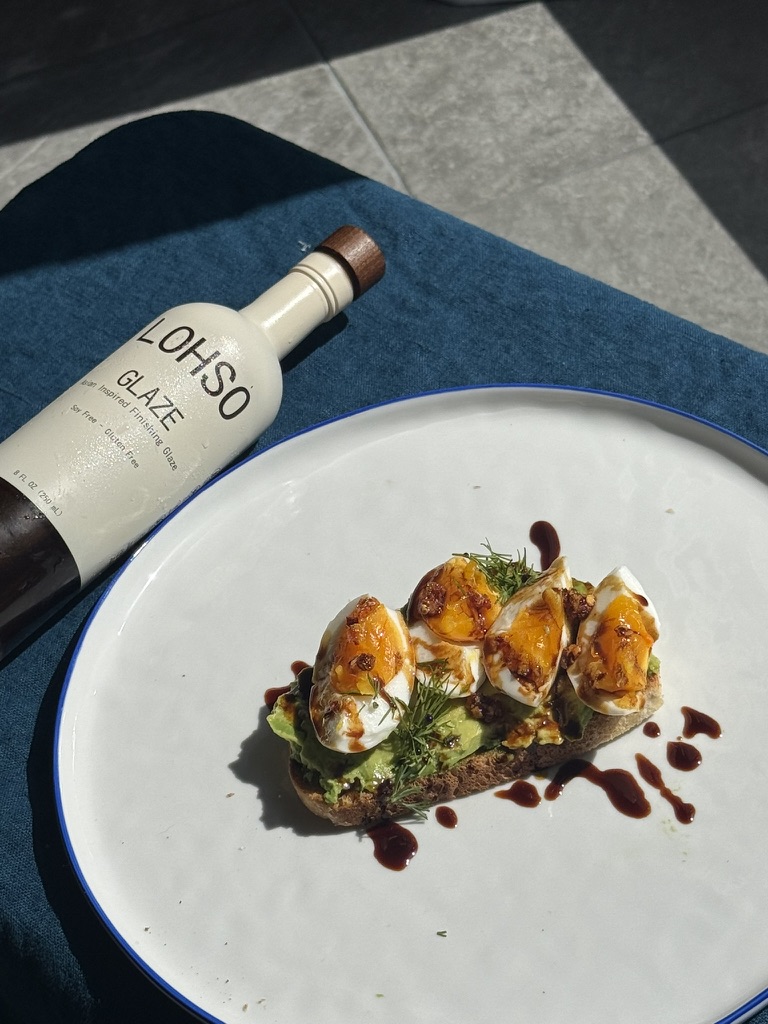
And listen, I love branding. I could spend an entire weekend debating the perfect shade of brown for a bottle cap. But a beautiful brand means nothing if nobody wants what’s inside.
You don’t need to quit your job, raise a $1 million or have every answer figured out to get started. You just need to find a problem worth solving, make sure other people agree and be willing to figure out the rest as you go.
This article contains affiliate links, which means we may earn a commission if you make a purchase through them, at no additional cost to you.
Key Takeaways
- Mahurin launched coconut-sap soy sauce alternative Lohso as a side hustle earlier this year.
- Lohso brought in revenue in week one and sold out of its initial inventory in 60 days.
- Mahurin quit her full-time job to focus on Lohso, which is stocked in over 50 retailers nationwide.
This Side Hustle Spotlight Q&A features Lauren Mahurin, a 32-year-old entrepreneur living in New York City. Mahurin is the founder of Lohso, an organic coconut-sap soy sauce alternative with 53% less sodium. Mahurin started Lohso as a side hustle in February 2026 while working full-time leading marketing and affiliate strategy at Publicis Media for some of the biggest names in retail, including Verizon, Disney and Macy’s.
Six months after launching the business, she turned down a promotion and quit her corporate role to go all-in. Lohso sold out of its initial inventory in 60 days, currently sees about $15,000 in revenue a month and is available in more than 50 retailers nationwide. Responses have been edited for length and clarity.
Validating customer demand for Lohso
How did you validate that people would actually pay for your product before investing serious money?
Years before I launched the side hustle, I lost 100 pounds and became much more intentional about what I was eating. I loved food and cooking and had absolutely no interest in eating bland chicken and steamed vegetables for the rest of my life.
Comments are Closed