
Listen to this post
Key Takeaways
- Gordon and Condon already believed in The Little Gym as parents looking for an athletic outlet for their children.
- The two investors enrolled their children in gymnastics classes before they decided to open franchise locations of their own.
- Now they own more than 30 locations of The Little Gym, with another 10-plus in development.
Before Griffin Gordon and Kevin Condon owned dozens of The Little Gym locations, they were parents watching their children enjoy gymnastics classes at the franchise. Their kids were tumbling, running and leaving class asking to do it all again.
As a customer, Gordon was impressed that The Little Gym staff members knew the children’s names, greeted their parents and made families feel welcome.
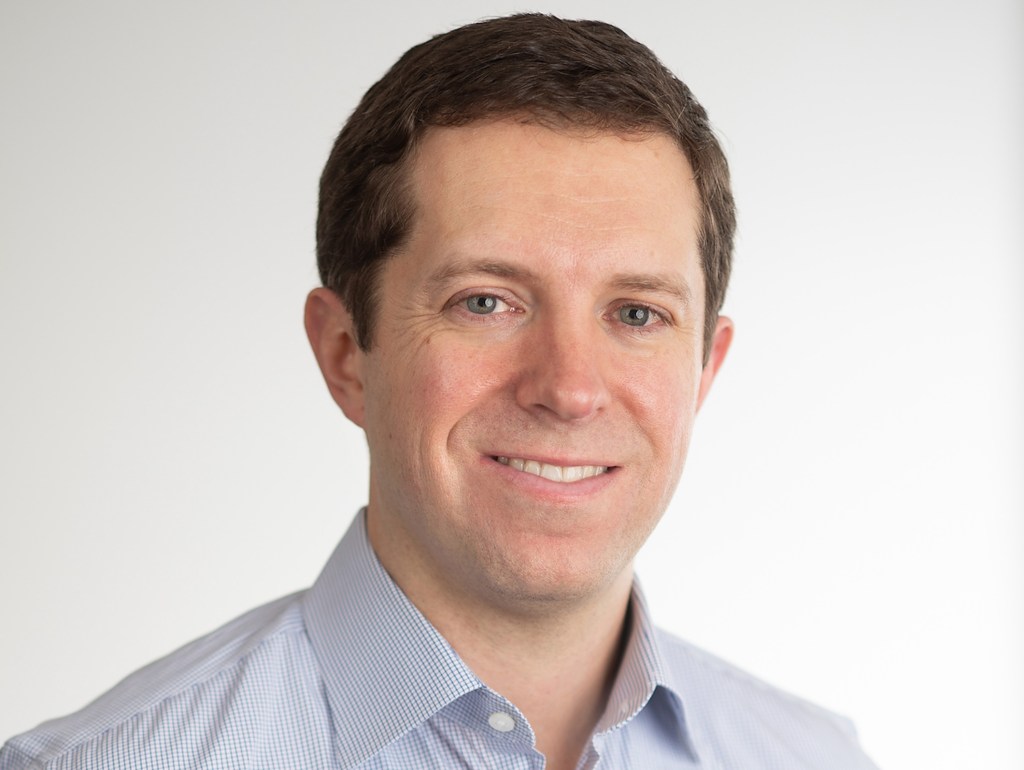

Gordon and Condon had met years earlier at the University of Chicago’s Booth School of Business before pursuing different careers. Condon became a co-founder of Hidden River Strategic Capital, a Philadelphia-based private equity firm that invests in small businesses. Gordon split his career between private equity investing and running small and midsize companies, later founding an investment firm focused on franchisees.
Their paths converged around an opportunity involving Richard Moore, a longtime Little Gym operator whose family had spent nearly three decades building the business. Moore wanted to keep growing. His parents were ready to retire. An advisor introduced him to Gordon and Condon, who saw a chance to pair an experienced operator with the capital and support to expand.
In 2023, Gordon and Condon’s firms invested in seven North Carolina locations of The Little Gym, forming the foundation of a business called Somersault. Three years later, the partners say their footprint has grown to more than 30 locations, with another 10-plus in development. Their business generates nearly $20 million in revenue.
They credit that expansion to a combination of familiar ingredients, including an established brand. Here’s why they decided to invest in The Little Gym and open new franchise locations.
The following interview has been lightly edited for clarity and concision.

Why they backed The Little Gym
Why invest so aggressively, growing from seven locations to more than 30?
Kevin Condon: Ultimately, we’re backing management teams and organizational leaders. We have a really good team here, which has allowed us to scale at this pace and given us the conviction to continue putting money behind the business.
The other piece is the repeatable process in franchising. You acquire a business or open a location, and you have a playbook. With a good team and good operators, you can repeat that playbook. We’ve taken a strong brand and expanded through acquisitions and new openings.
Griffin Gordon: Kevin’s firm has done a lot of franchisee investing. My firm focuses solely on it. The Little Gym has the things we find attractive: a growing market of parents who want high-quality services for their kids, a strong brand and attractive unit economics when the business is operated well.
Matching investment experience with operations
What else made this particular opportunity attractive?
Gordon: In our view, The Little Gym is the best brand serving its target age range. There are imitators, but we don’t think they match the quality of its curriculum and operating playbook.
We also have a strong franchisor partner in Unleashed Brands. To invest in franchisees, you need a partnership approach and confidence that the franchisor values that relationship, too.
How did those factors turn into an actual investment?
Gordon: It was equal parts purposeful and opportunistic. We were interested in franchisee investing because of its repeatability and scalability. We were also focused on child enrichment because we thought it was an attractive market if you did things right.
The opportunity to build an established business
How much did being customers influence your decision to start locations of your own?
Condon: We only have so much time and money to allocate. The Little Gym offered the opportunity to invest in what we consider a category leader in youth enrichment, particularly children’s recreational gymnastics and related activities.
The system has been around for 50 years. This year was its 50th anniversary, which was a major milestone for the franchise.
There’s an established playbook, and both our business and the overall system are growing. When you have a strong brand and the unit economics to open a location, ramp it up and become profitable, you can create returns for investors, jobs for employees and outcomes for families. That makes it easy to understand why we want to continue investing our time and money.
What are the most important elements of that repeatable playbook?
Gordon: There are two sides to it: the fundamentals that don’t change, and the opportunity to modernize the business for today’s parents and children. The fundamentals include building and investing in a great team, genuinely caring about the curriculum and developing authentic connections with the communities where you operate.
Keeping the curriculum
How do those fundamentals connect with changes to the business?
Gordon: You also have to work with the franchisor to make sure the curriculum supports the outcomes everyone wants: Confident, self-assured, well-adjusted children who have an opportunity to become physically active early in life.
That dovetails with Unleashed Brands’ investments in infrastructure. Before our investment, The Little Gym didn’t have much in the way of technology, systems and infrastructure. It operated more like a small-business-owned enterprise.
Since Unleashed Brands’ acquisition, we’ve been able to combine the traditional strengths of the business with improvements in the technology we use to operate it and the systems customers interact with.
There’s also been a more thoughtful approach to customer acquisition and marketing, alongside continued investment in the programming. The offering has to remain competitive with parents’ changing demands and schedules.
Condon: The core curriculum is the secret sauce. It’s been part of what has made The Little Gym special for 50 years. But you can build on that. For example, Unleashed introduced an app this year to help parents engage with their children’s classes and see milestones and pictures.
That’s something that obviously didn’t exist 50 years ago. It connects what The Little Gym has historically done well with what a modern parent wants from a class.
Both of you have children who attended. What were their experiences like?
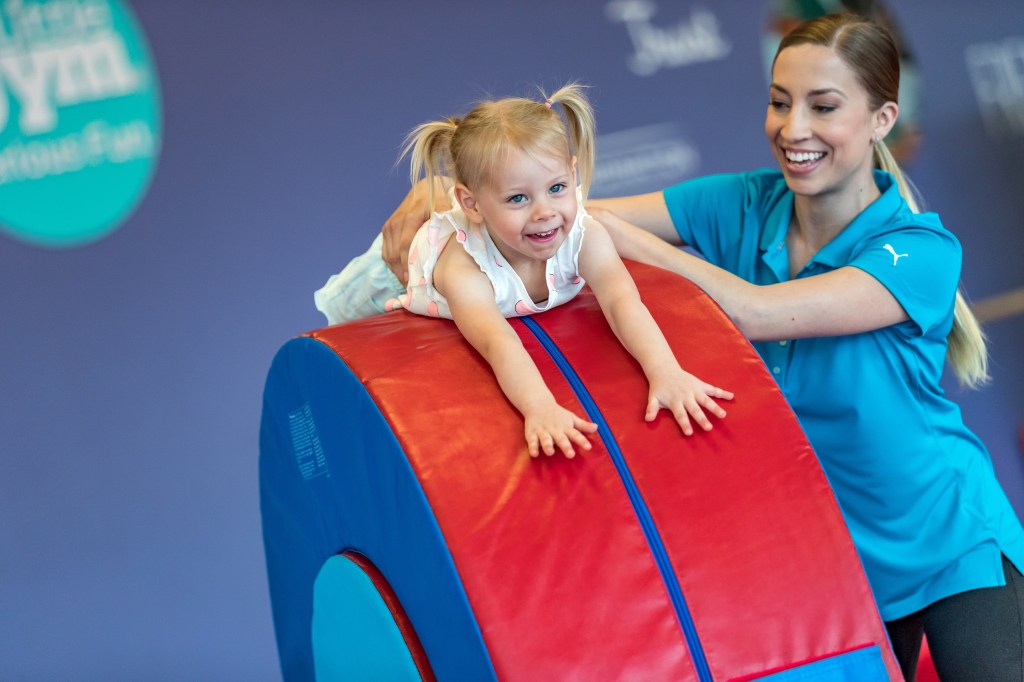
Condon: Smiles from ear to ear. They’d spend 45 to 60 minutes in class, come out sweaty and exhausted, and their first question would be, “Can we do that again?”
There’s a joy in watching children move and take appropriate risks, whether they’re learning a cartwheel or somersault, jumping, running, singing, following directions or engaging with other kids.
Much of what I’m describing is in that 2-to-6-year-old age range, although we serve younger and older children, too. I saw it with my own kids, and we see it across the children coming through our locations. There’s a consistency to that experience. It’s unadulterated childhood joy.
Why franchise?
Why franchise instead of starting an independent business?
Condon: In small business, the opportunity to be part of something with a name as established as The Little Gym is attractive. We invest in both franchised and non-franchised businesses. One benefit of franchising is that you can be part of something much bigger than you could create on your own.
If we started a competitor, we wouldn’t have 50 years of history or an established brand. Franchising gives us an affiliation with a much larger organization and system.
You pay royalties and operate within certain rules. But in this case, we believe the playbook and brand provide more benefits than going it alone.
Gordon: When done correctly, franchising should be like buying a small business with the benefit of a national platform. Those two things should work together. That’s what we believe we have with The Little Gym.
What should someone do if they’re interested in franchising but don’t know where to start?
Gordon: One of the best things about franchising is the availability of information. Not every detail is public, but the information you need to understand the model is there.
In particular, there’s a list of franchisees in the back of the franchise disclosure document. If you’re evaluating a system, start calling owners and learning from them. These are people who have already done what you’re trying to do. I can’t think of a better resource.
Condon: Find something you’re passionate about, particularly if you’ll be the operator. Even if you won’t operate the business yourself, you still need to care about it. In our case, as investors helping build and scale a company, we also need an operator who knows how to execute the playbook successfully.
Lessons learned
What lesson have you learned while building the company?
Gordon: The lesson we’ve learned and continue to learn is that this business is all about people. People sometimes hear about The Little Gym and think it sounds simple. It’s a simple business to understand, but a challenging business to operate well.
The business depends on our ability to find the best people, train them effectively and give them career opportunities. That might mean moving beyond a teaching role, taking on more responsibility within a gym or eventually overseeing multiple locations.
What milestones are you working toward? Could revenue eventually reach $100 million?
Condon: That sounds great.
Gordon: We’ve gone from seven locations to more than 30 in three years. We’ve quadrupled our footprint. Doing that again over the next couple of years would be aggressive, but we’re big believers in the brand and our business, and we want to keep growing.
Comments are Closed