
Catch the Full Episode:
 Overview
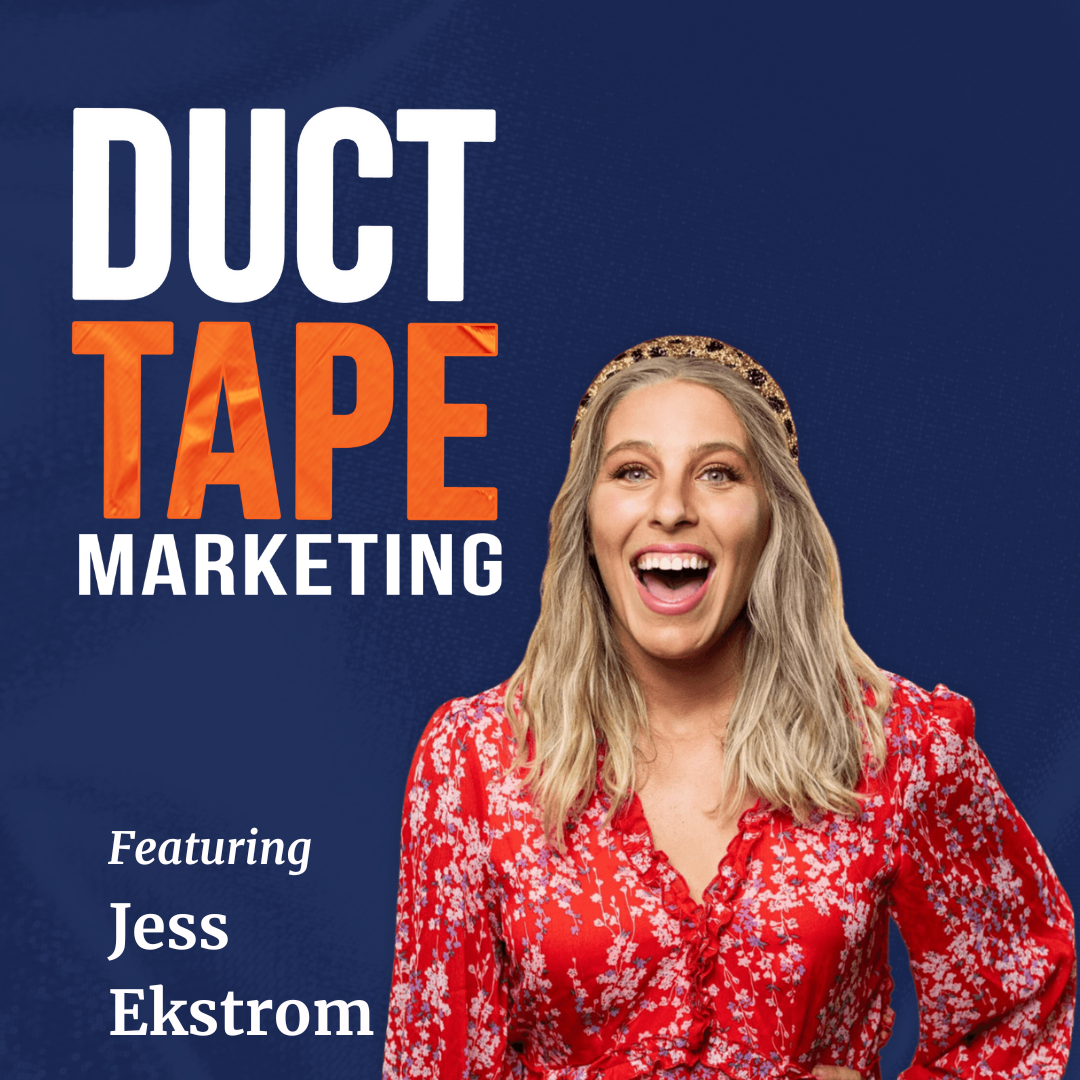
Most small business owners are sitting on one of the most powerful marketing channels available and never use it. In this episode, John Jantsch welcomes back Jess Ekstrom, founder of Mic Drop Workshop, to make the case that speaking from a stage is not a vanity play. It is a lead generation, brand building, and audience growth strategy that compounds over time.
Jess built her first company, Headbands of Hope, almost entirely by convincing professors to let her speak in class. She did not know she could charge for keynotes until a university emailed asking for her fee. Now she teaches entrepreneurs and founders how to turn their story into a signature talk that earns bookings, builds an audience, and drives business without ever feeling like a sales pitch.
This episode covers the difference between keynote speaking and lead gen speaking, why sharing your failures lands better than your wins, how to build a talk backwards from the outcome, and the mindset shift that dissolves stage fright almost instantly.
About Jess Ekstrom
Jess Ekstrom is an entrepreneur, two-time bestselling author, and Forbes top-rated speaker. She founded Headbands of Hope as a broke college student and grew it into a nationally recognized brand before it was acquired. She is the founder of Mic Drop Workshop, where she helps women step into their voice and build careers as confident, paid speakers. Her TED talk on the spotlight vs. lighthouse speaker mindset has driven significant attention to her framework. She hosts the Amplify podcast and can be found at micdropworkshop.com.
Key Takeaways
- Speaking is a marketing channel, not just a career. The keynote can drive awareness, build an audience, and generate leads without ever directly selling anything from the stage.
- Know which lane you are in. Keynote speaking means the talk is the product. Lead gen speaking means you waive your fee in exchange for the right to sell from the stage. Both work. Pick one and be intentional about it.
- Build the talk backwards. Start with a transformation promise: after people hear you speak, what do you want them to do, believe, think, or feel? Everything else builds toward that outcome.
- Spotlight speakers ask what everyone thinks of them. Lighthouse speakers ask what everyone needs from them. The second mindset makes you a better speaker and kills stage fright faster than any rehearsal trick.
- Share what went wrong, not just what went right. Audiences do not connect with wins. They connect with the arc. Admitting the $10,000 wire to a fraudulent manufacturer landed better than any highlight reel.
- Build one signature talk and stick with it for three to five years. Changing your topic every year means no one has time to associate your name with a solution.
- Use the slide deck as a lead magnet. Offer to send notes, discussion questions, and slides via a QR code before your closing. It converts better than almost any other stage-based list building tactic.
- The false finish line is the biggest trap. You do not need a certain follower count, revenue number, or website to start pitching yourself to speak. You need a topic you are excitedly curious about and the willingness to do the reps.
- Simplify, do not complicate. The best speakers remind people of something they already knew but forgot. Novelty is overrated. Clarity wins.
Timestamps
[00:00] Opening hook: the most underused marketing channel for small business owners is a stage.
[00:37] Jess’s background: building Headbands of Hope by speaking in college classrooms before knowing speaking was a paid profession.
[01:37] The moment she realized speaking could be a revenue channel, not just an advertising channel.
[02:22] The difference between an elevator pitch and a keynote, and why the keynote becomes the product.
[03:18] Keynote speaking vs. lead gen speaking: two lanes, two different business models.
[05:03] How to weave what you do into a keynote without it feeling like a sales pitch.
[07:14] Using a QR code slide deck as a lead magnet from the stage.
[08:26] The difference between wanting to be on a stage and actually having something worth saying.
[09:09] The spotlight vs. lighthouse framework from her TED talk, and why it changes everything about how you show up.
[11:18] Why sharing failures lands better than sharing wins, and what that requires you to give up.
[11:36] Her framework for building a keynote: transformation promise, work backwards, simplify.
[17:35] Why having one signature talk beats being a Cheesecake Factory speaker.
[19:52] The billboard exercise: the simplest way to figure out what you should be speaking about.
Memorable Quotes
“The keynote becomes the product. It’s not about selling your product through the keynote. It’s about raising awareness for it and most importantly, sharing a story in a way that inspires someone to do something about it.”
“The more you give, the less nervous you’ll be. And sometimes that means not looking good.”
“No one wants to learn from someone who’s always been at the top. We need the arc.”
“Stop making people think too hard. The best speakers remind people of something they once knew that maybe they forgot.”
“If you’re not willing to stick with a keynote for three to five years, don’t do it. You’re not giving anyone time to associate your name with a solution.”
Connect with Jess Ekstrom at micdropworkshop.com or find her on LinkedIn.
Comments are Closed